IVF (In Vitro Fertilization) is one of the most widely used assisted reproductive treatments for couples who are experiencing difficulty conceiving. Unlike natural conception, IVF involves fertilizing an egg with sperm in a laboratory and then transferring the resulting embryo into the uterus
For couples considering IVF in Hyderabad, understanding each stage of treatment can make the process easier to understand and help them know what to expect
The exact IVF treatment process can vary depending on a woman’s age, ovarian reserve, sperm quality, previous fertility treatments, medical history, and the couple’s individual fertility needs
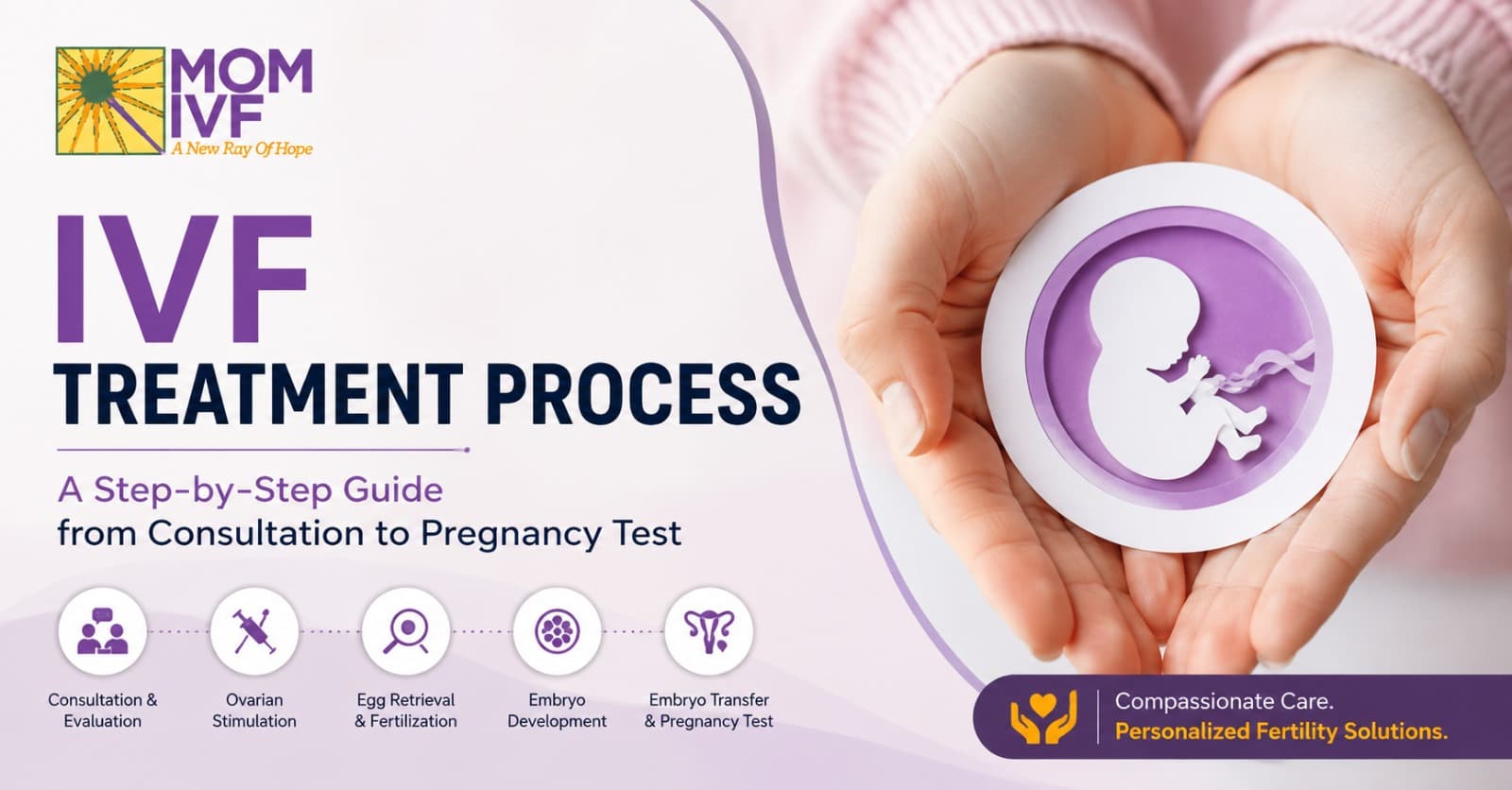
Here is a step-by-step look at how IVF treatment generally works
What Is IVF Treatment?
IVF is an assisted reproductive technology in which eggs are retrieved from the ovaries and fertilized with sperm in a laboratory. After fertilization, the embryos are monitored for development, and a suitable embryo may be transferred into the uterus
IVF may be considered when pregnancy has not occurred naturally or when certain fertility conditions make assisted reproduction a suitable option
A fertility specialist first evaluates both partners before recommending IVF. This helps determine whether IVF is appropriate and whether additional procedures may be beneficial
Step 1: Initial Consultation and Fertility Evaluation
The IVF journey usually begins with a consultation with a fertility specialist
During the first appointment, the doctor may review:
- Previous pregnancy and fertility historyMenstrual cycle informationPrevious fertility treatmentsMedical and surgical historyLifestyle factorsMale fertility history
Both partners may undergo fertility tests to identify factors that could affect conception
For women, evaluation may include hormone testing, ultrasound scans, and assessment of ovarian reserve
For men, semen analysis is commonly performed to evaluate sperm count, movement, and morphology
Based on the findings, the fertility specialist develops an individualized treatment plan
Step 2: Ovarian Stimulation
In a natural menstrual cycle, usually one egg reaches maturity. During IVF, fertility medications are commonly used to stimulate the ovaries so that multiple eggs can develop
The medications and their dosage depend on the individual’s treatment plan
During this stage, the doctor monitors the ovaries through ultrasound scans and, when required, blood tests
Monitoring helps the fertility team understand how the follicles are developing and determine the appropriate time for egg retrieval
Step 3: Trigger Injection
Once the follicles have developed sufficiently, the doctor may recommend a trigger injection
The trigger helps the eggs complete their final stage of maturation before egg retrieval
Timing is important at this stage, because egg retrieval is generally scheduled at a specific time after the trigger injection
Step 4: Egg Retrieval
Egg retrieval, also known as oocyte retrieval, is a procedure used to collect mature eggs from the ovaries
The procedure is generally performed using ultrasound guidance. A thin needle is used to retrieve the eggs from the developing follicles
The procedure is performed under appropriate medical supervision, and the fertility team monitors the patient throughout the process
The retrieved eggs are then transferred to the embryology laboratory for evaluation and fertilization
Step 5: Sperm Collection and Preparation
On the day of egg retrieval, a semen sample is generally collected from the male partner
The laboratory team processes the sample to identify suitable sperm
Depending on sperm quality and the couple’s fertility condition, conventional IVF or a procedure such as ICSI (Intracytoplasmic Sperm Injection) may be recommended
ICSI involves injecting a selected sperm directly into a mature egg to assist fertilization
Step 6: Fertilization in the Laboratory
The retrieved eggs and prepared sperm are brought together in the IVF laboratory
With conventional IVF, sperm and eggs are placed together under controlled laboratory conditions to allow fertilization
With ICSI, a single sperm is injected directly into the egg
The embryology team then observes the eggs to determine whether fertilization has occurred
Step 7: Embryo Development
After fertilization, the resulting embryos are monitored in the laboratory
Embryos may continue developing for several days while embryologists assess their development
Not every fertilized egg necessarily develops into an embryo suitable for transfer. The fertility team considers embryo development and other relevant factors when determining which embryo may be appropriate for transfer or freezing
In some situations, embryos may be frozen for future use
Step 8: Embryo Transfer
Embryo transfer is the stage in which a selected embryo is placed into the uterus
A thin catheter is typically used to transfer the embryo through the cervix into the uterus
The procedure is generally brief and does not usually require major surgery
The number and type of embryos recommended for transfer depend on several factors, including the patient’s age, medical history, embryo characteristics, and clinical recommendations
Step 9: The Waiting Period
After embryo transfer, there is a waiting period before pregnancy can be confirmed
Many patients naturally feel anxious during this time. It is important to follow the fertility specialist’s instructions regarding medications, activity, and follow-up
Patients should not interpret early symptoms alone as proof of pregnancy because symptoms can vary considerably between individuals
Step 10: Pregnancy Test
A pregnancy test is performed after the appropriate waiting period following embryo transfer
The fertility specialist will advise the patient about when to take the test
If the result is positive, further follow-up is arranged to monitor the early pregnancy and confirm its development
If the result is negative, the doctor may review the treatment cycle and discuss possible next steps based on the couple’s individual circumstances
How Long Does the IVF Process Take?
The duration of an IVF cycle can vary from one person to another
The treatment timeline depends on factors such as:
- The type of IVF protocolMenstrual cycle timingResponse to fertility medicationsNumber and development of folliclesEgg retrieval timingEmbryo developmentWhether fresh or frozen embryo transfer is plannedAdditional tests or procedures
Therefore, there is no single timeline that applies to every patient
Your fertility specialist can provide a more accurate treatment schedule after evaluating your individual fertility profile
Is IVF Suitable for Everyone?
IVF can be an effective fertility treatment for many couples, but it is not automatically the first or most suitable option for everyone
A fertility specialist may consider factors such as:
- AgeDuration of infertilityOvarian reserveFallopian tube conditionSperm qualityPrevious fertility treatmentsEndometriosis or other reproductive conditionsPrevious pregnancy historyOverall reproductive health
After evaluation, the doctor may recommend IVF or another fertility treatment depending on the underlying cause
What Can Affect IVF Treatment Outcomes?
IVF outcomes can be influenced by several factors
Some important factors include:
Age: Female age can influence egg quantity and quality
Ovarian reserve: The number of eggs available can affect treatment planning
Sperm quality: Sperm count, motility, and morphology may influence fertilization and embryo development
Embryo development: Embryo quality and development are important considerations when planning embryo transfer
Underlying medical conditions: Certain reproductive or medical conditions may affect fertility and treatment outcomes
Because every patient is different, fertility treatment should be planned according to individual circumstances rather than relying on another person’s experience
When Should You Consider Consulting a Fertility Specialist?
Couples may benefit from consulting a fertility specialist when pregnancy has not occurred despite regular unprotected intercourse or when there is a known fertility-related concern
You may consider seeking professional advice sooner if there are factors such as:
- Irregular or absent menstrual cyclesKnown reproductive health conditionsPrevious fertility treatment failuresRecurrent pregnancy lossPrevious pelvic or reproductive surgeryKnown sperm-related concernsDifficulty conceiving despite trying
A fertility evaluation can help identify possible causes and determine appropriate treatment options
Choosing an IVF Centre in Hyderabad
Choosing the right fertility centre is an important part of the treatment journey.
When considering an IVF hospital in Hyderabad or fertility clinic in Hyderabad, couples may want to look at:
- Experience of fertility specialistsAvailability of fertility investigationsEmbryology laboratory facilitiesRange of fertility treatments offeredApproach to individualized treatment planningTransparency about treatment costsPatient counselling and supportFollow-up care
Rather than choosing a centre based only on advertisements or a single success story, couples should discuss their specific fertility situation with a qualified fertility specialist
Why Personalized IVF Treatment Matters
There is no single IVF protocol that works identically for every patient
Two couples may have completely different fertility conditions and therefore require different approaches
Factors such as age, ovarian reserve, sperm parameters, previous treatment history, and medical conditions can influence the treatment plan
A personalized approach allows the fertility team to select investigations and treatment options according to the patient’s individual needs
Frequently Asked Questions
1. What are the main steps involved in IVF?
The major stages generally include fertility evaluation, ovarian stimulation, trigger injection, egg retrieval, sperm preparation, fertilization, embryo development, embryo transfer, and pregnancy testing
2. Is IVF treatment painful?
Some stages, such as injections and egg retrieval, may cause discomfort. The fertility team takes appropriate measures to make procedures as comfortable as possible
3. How many eggs are needed for IVF?
There is no fixed number of eggs required for every IVF cycle. The number of eggs retrieved can vary depending on ovarian reserve, age, response to medications, and other individual factors
4. Is ICSI part of every IVF treatment?
No. ICSI is not required in every IVF cycle. Your fertility specialist may recommend it when there are specific indications, particularly certain male-factor fertility problems
5. How soon can pregnancy be confirmed after embryo transfer?
Your fertility specialist will advise you about the appropriate time for pregnancy testing after embryo transfer. Testing too early may not provide a reliable result
6. Does IVF guarantee pregnancy?
No fertility treatment can guarantee pregnancy. IVF outcomes depend on several individual factors, including age, egg and sperm characteristics, embryo development, and overall reproductive health
Take the Next Step Toward Your Fertility Journey
Understanding the IVF treatment process can help couples feel more prepared before beginning treatment. However, every fertility journey is different, and the right treatment plan should be based on a detailed evaluation by a qualified fertility specialist
If you are considering IVF in Hyderabad, consult a fertility specialist to understand your fertility condition, available treatment options, expected timeline, and the approach most appropriate for you
MOM IVF provides fertility care and assisted reproductive treatment with an individualized approach to help couples understand their options and move forward with informed decisions